Direct the shot.
Use the creative brief and references to define subject, action, camera, and atmosphere. Review the resulting frames for identity, product accuracy, and spatial continuity.
 Let’s talk
 NO ID / OPEN STUDIO
Character locks. Location references. Storyboards.
A closer look at the creative decisions behind a consistent AI film.
INTENTION BEFORE GENERATION
An AI film starts with a brief: who is on screen, what the audience should feel, and what must stay recognizable. References turn those choices into something the whole team can see. Here are real examples from our studio, and how to read them.
One face. A consistent visual language.
 Open full reference
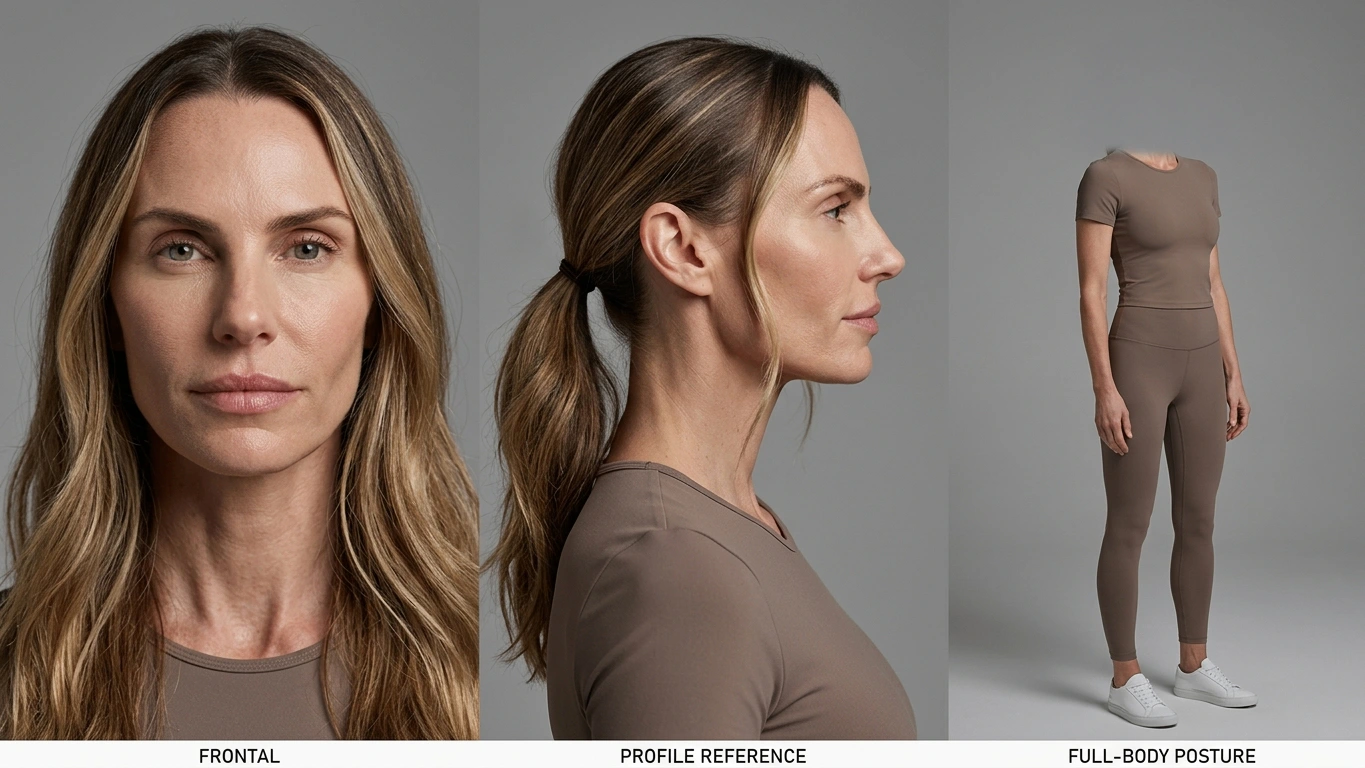
 This reference sheet pairs a frontal portrait with a profile and a full-body wardrobe view. The face, hair, clothing, and proportions become a shared point of comparison when reviewing new images or video frames. A lock is a creative reference; each generated shot still needs visual review.
The reference comes before the scene.
 Open full reference
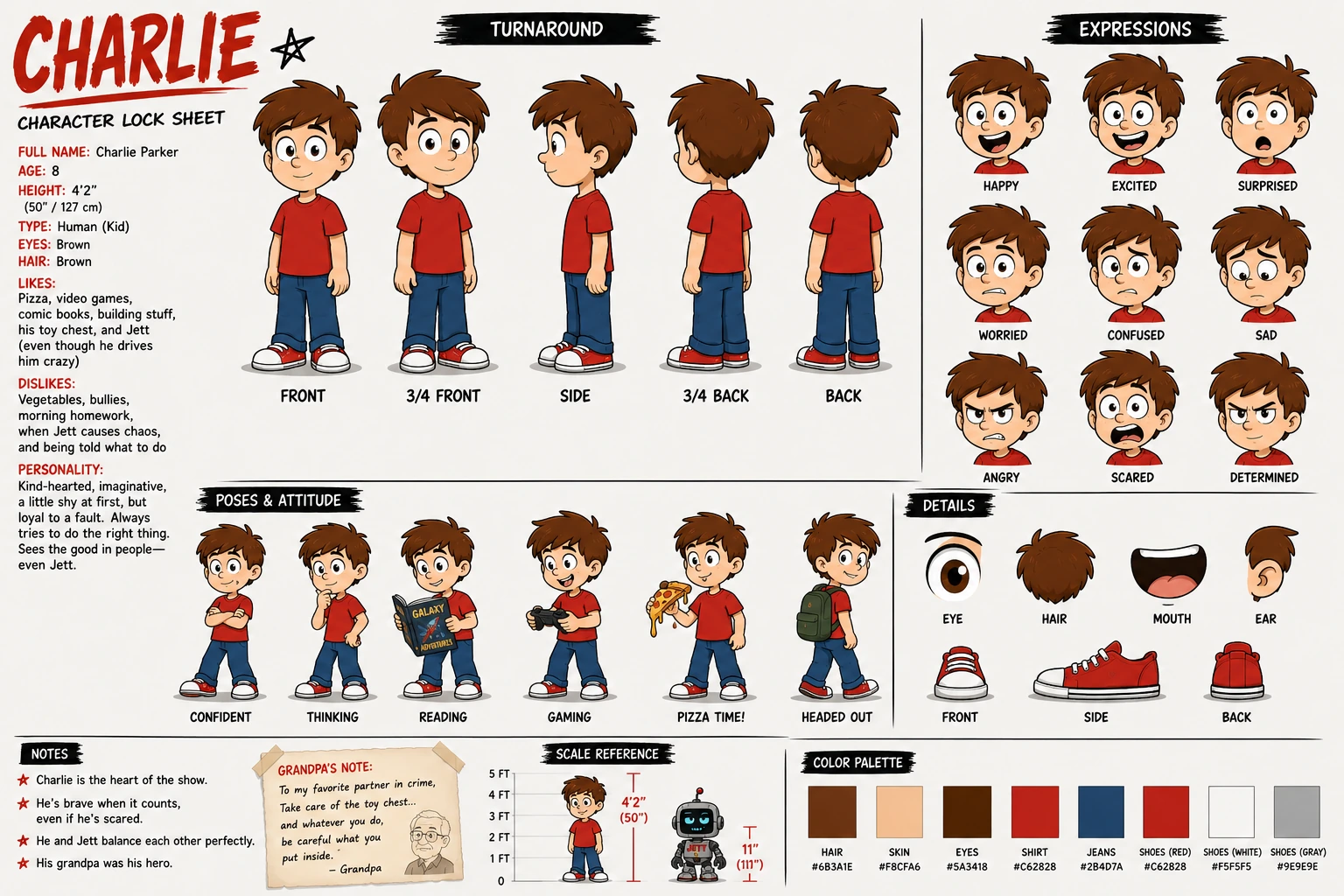
 A character lock sheet documents what should stay consistent: facial features, silhouette, proportions, clothing, colors, and expressions. It gives the team a shared visual reference when the camera angle, pose, or emotion changes.
A location has an identity, too.
 Open full reference
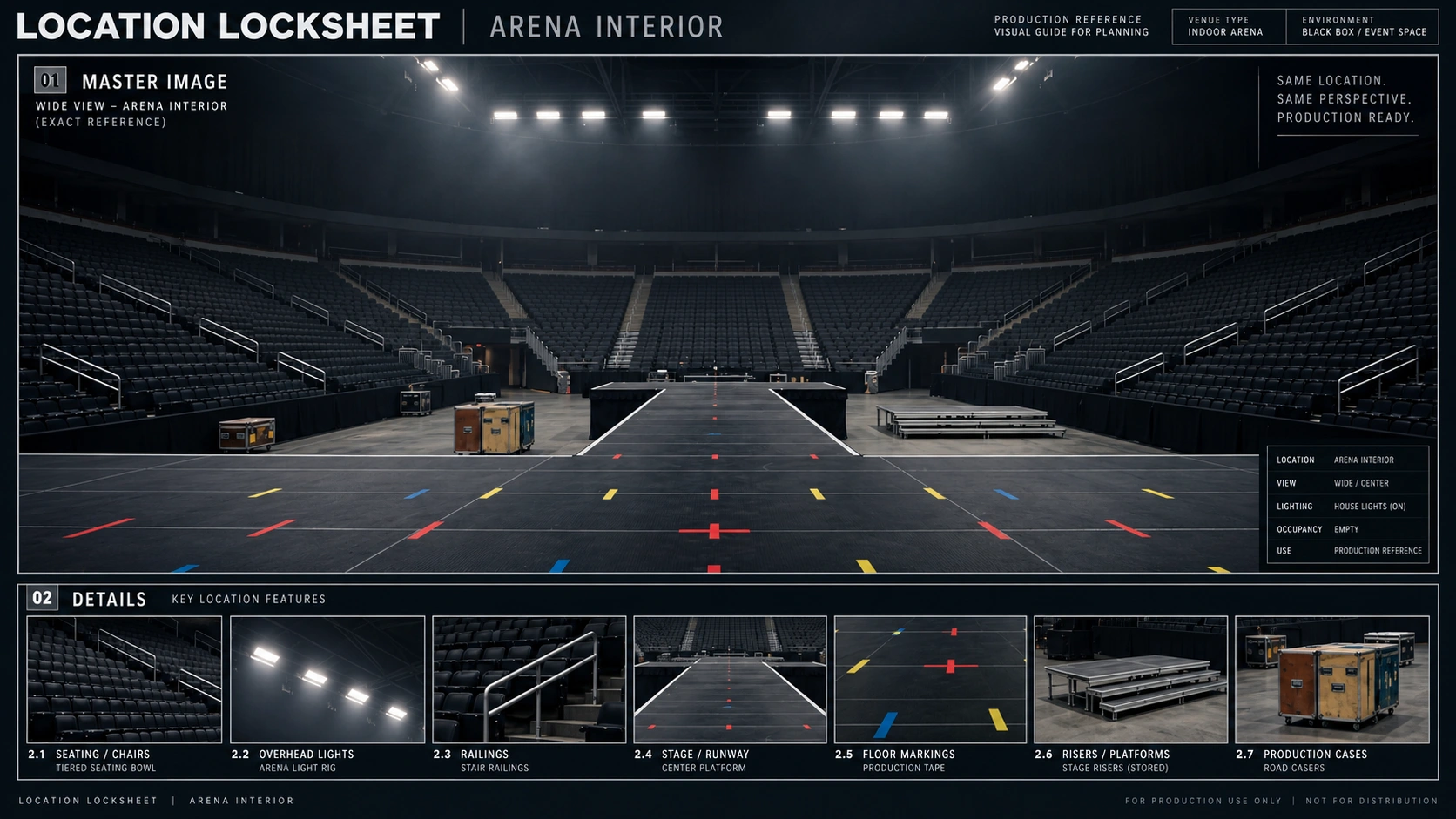
 A location lock records the environment and its defining details. Architecture, lighting positions, stage layout, and camera orientation become reference points for shot planning. It is a practical way to keep a sequence in one believable space.
Every frame has a job.
 Open full reference
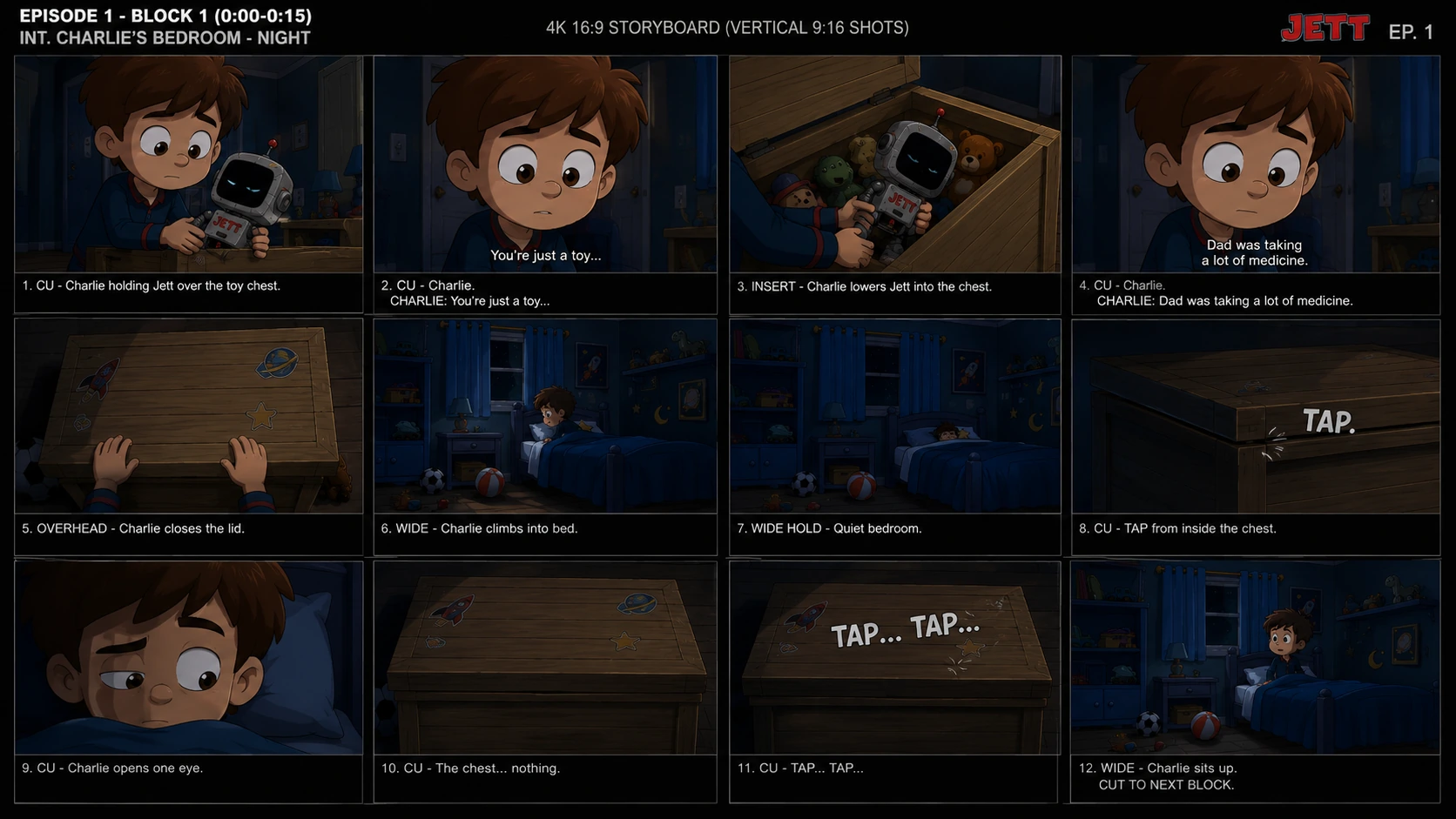
 A storyboard turns the idea into an ordered set of shots. Framing, action, dialogue, and transitions explain what happens next. The Charlie and Jett example shows how a bedroom scene is planned as a sequence before it becomes moving footage.
INSIDE THE TOOLKIT
Our Higgsfield workspace brings reference images into the production process. The character sheet, arena lock, and CELSIUS product image in this collection come from that workspace.
From there, the work is iterative: establish a reference, shape the shot, review identity and motion, and build the edit. A useful reference gives each review a clear point of comparison.
Explore Higgsfield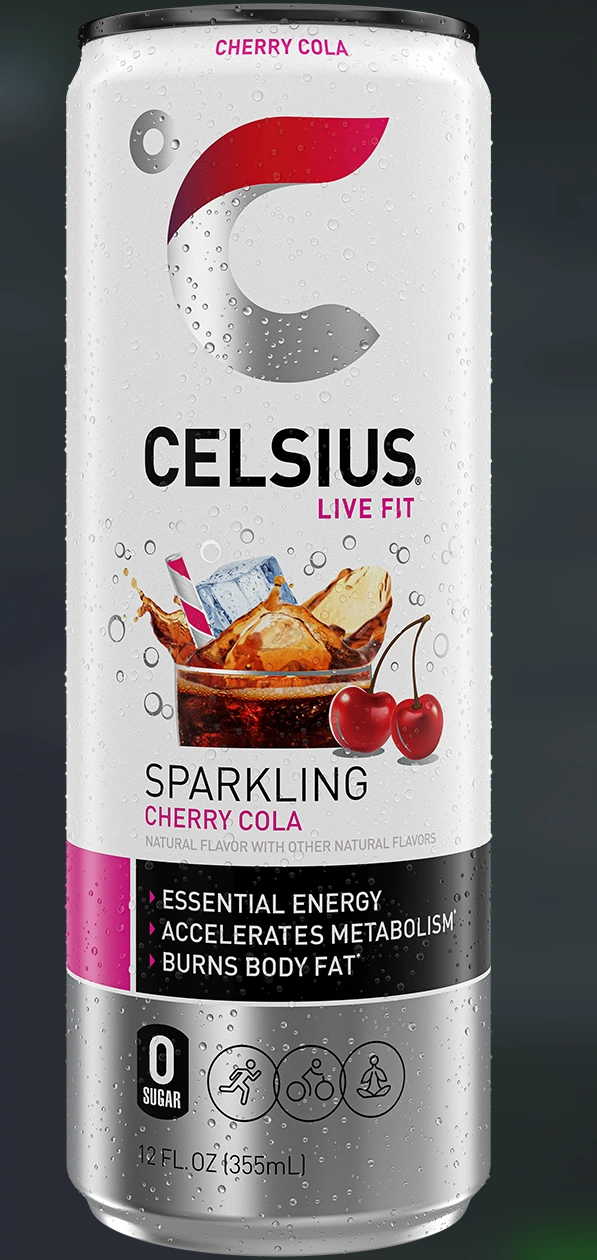
Explore the CELSIUS reference
FROM REFERENCE TO RELEASE
Use the creative brief and references to define subject, action, camera, and atmosphere. Review the resulting frames for identity, product accuracy, and spatial continuity.
Check how details behave through time: faces, hands, labels, clothing, and the environment. A still image can work beautifully while a moving shot needs another pass.
Select the strongest takes, build the pacing, and bring sound, music, titles, and color into one coherent experience. The audience sees a story, so every choice should serve it.
A LITTLE MORE CONTEXT
A character lock sheet is a visual reference that records a character’s appearance across angles, expressions, and poses. It helps a production team keep identity and wardrobe consistent from shot to shot.
A lock sheet defines the recurring character, product, or location. A storyboard defines the sequence: what the camera sees, what happens, and how one shot connects to the next.
Higgsfield supports image and video generation, editing, and reusable reference elements. The character reference, arena lock, and CELSIUS product image shown here were imported from NO ID’s connected workspace. The creative brief, reference decisions, shot review, and final edit remain part of the production team’s work.
Each reference is labeled with its own project or studio source. The Charlie sheets are original series development materials; the arena is a studio location reference; the CELSIUS can appears alongside the CELSIUS commercial. They illustrate production methods without assigning one project’s assets to another.
Bring the ambition. We’ll bring the perspective.